
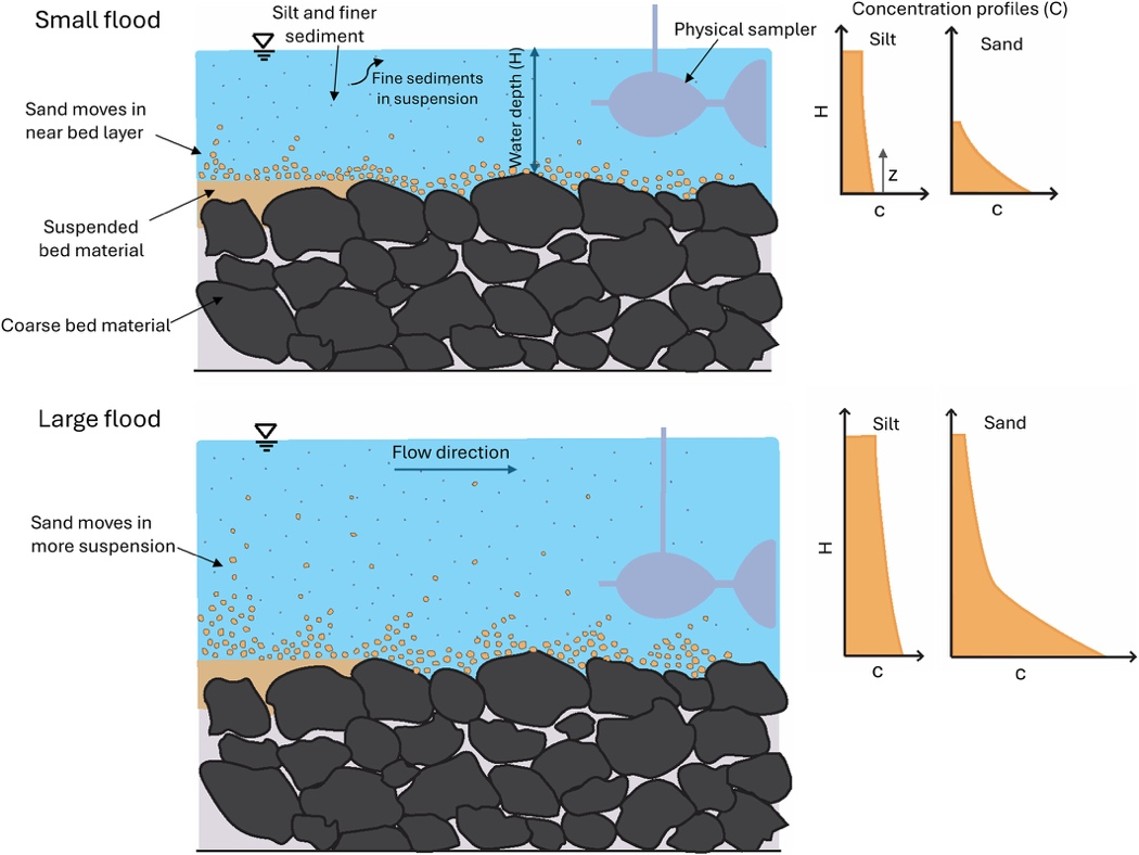
This week, Arman published a paper titled: Measuring Sand and Finer Suspended Sediment Concentration Profiles in Gravel Bed Rivers.
After water, sand is the second most consumed natural resource globally. Sand is the main construction aggregate, protects our shorelines from erosion, and provides essential habitats for many aquatic ecosystems. Rivers bring sand to the coast, but human impacts can significantly reduce coastal sand by trapping sand behind dams and reducing the river’s capacity to transport sediment to the coast due to reduced flood capacity downstream. Globally, interruption of river-sand delivery is one of the main causes of increased coastal erosion.
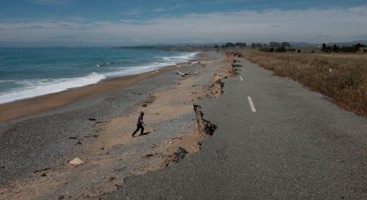
Erosion in sandy beach of New Zealand impacted (Photo by: Cyprien Bosserell, Earth Science New Zealand).
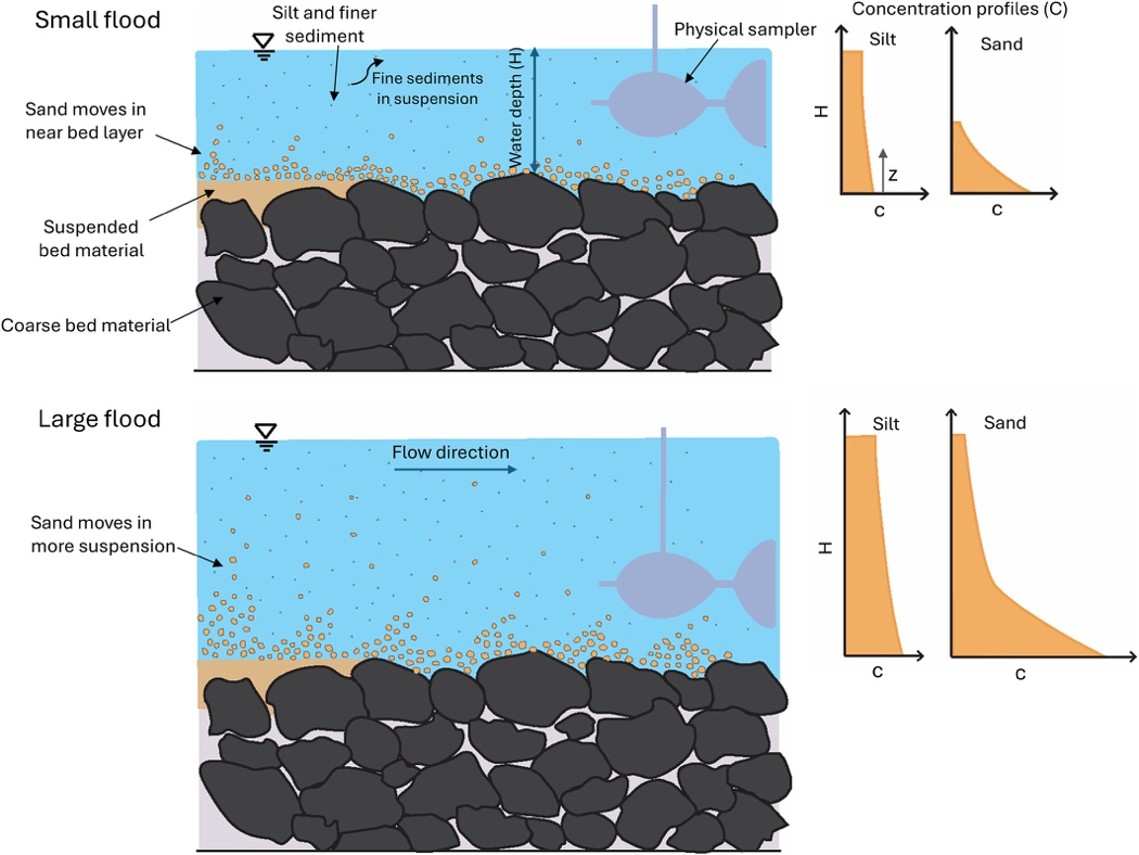
Despite its importance, measuring sand transport in rivers remains one of the biggest challenges in fluvial hydrology. Unlike fine sediment, sand is transported in a unique way, being concentrated near the river bed and moving in intermittent pulses driven by turbulent flow, making it especially difficult to measure.
In his new Water Resources Research paper, Arman and collaborators from New Zealand, Australia, the UK, and the USA present an innovative approach for measuring vertical sand concentration profiles in gravel-bed rivers. These unique measurements were then used to estimate the Rouse number, a fundamental parameter governing suspended sand transport, providing a new framework for monitoring and modelling sand transport in rivers and coastal environments.
Read the paper here! https://doi.org/10.1029/2025WR043190
 Posted on 18 Aug 2026
 Posted on 31 Jul 2026
 Posted on 28 Jul 2026
 Posted on 17 Jul 2026
About CAPE: We bring together observations, models, and data science to improve understanding and prediction of hydrological processes across scales from hillslopes to continents.

Land and Water Acknowledgement: We respectfully acknowledge that we live and work on Treaty 7 Territory and the Homeland of the Métis, Tsuut'ina, Stoney, and Blackfoot. We thank these nations for their care and stewardship over this land and water, and we pay respect to the ancestors of these places.